The Role of Hydrostatic Testing in Construction and Energy Sectors
Understanding Hydrostatic Testing
What is Hydrostatic Testing?
Hydrostatic testing fills pipelines, tanks, and pressure vessels with liquid before applying controlled pressure to verify structural integrity. Technicians monitor for leaks or deformation while the system holds pressure for a set duration. This process relies on incompressible fluids such as water to transmit force evenly across every surface. Construction crews and energy operators depend on it to confirm that welds and joints will withstand operating conditions. Hydrostatic pressure testing also detects microscopic flaws that visual inspections miss. Companies record pressure readings and volume changes throughout the test to produce verifiable data for regulators and insurers. The method applies equally to new installations and aging infrastructure that requires recertification.
Importance of Hydrostatic Pressure Testing
Hydrostatic pressure testing prevents catastrophic failures by proving that equipment meets design specifications before it enters service. Operators in construction and energy sectors schedule these tests after fabrication, repairs, or modifications to reduce downtime and liability. Accurate results protect workers and surrounding communities from leaks of oil, gas, or chemical products. The test also satisfies insurance and regulatory requirements that demand documented validation of pipeline strength. When performed correctly, hydrostatic pressure testing extends asset life and lowers maintenance costs over decades. Energy companies integrate test data into asset management systems to prioritize future inspections. Consistent application of the method builds public confidence in critical infrastructure projects.
Key Applications in Construction and Energy Sectors
Construction firms use hydrostatic testing on fire suppression systems, water mains, and structural piping before buildings open to occupants. Energy projects apply the same technique to storage tanks, boilers, and transmission lines that carry high-pressure fluids. Pipeline contractors rely on the test to certify new segments before they connect to existing networks. Mechanical testing teams also examine valves and pumps that handle liquid or gas service. In both sectors, the procedure confirms that welds and fittings survive maximum expected loads. Hydrostatic testing companies provide mobile equipment and certified technicians who complete these tasks on tight construction schedules. The data gathered supports warranty claims and operational permits.
Hydrostatic Testing in the Oil and Gas Industry
Role in Pipeline Integrity Management
Pipeline integrity management programs schedule hydrostatic testing at regular intervals to identify corrosion, cracks, or third-party damage. Operators isolate sections of oil and gas pipelines, fill them with water, and raise pressure above normal operating levels. Any drop in pressure signals a defect that requires excavation and repair. This proactive approach prevents leaks that could contaminate soil or waterways. Hydrostatic testing companies document every test result and integrate findings into centralized management databases. The information guides decisions on whether to replace segments or continue monitoring. Regular testing maintains compliance with federal pipeline safety regulations and protects company reputation.
Safety Protocols in Hydrostatic Testing
Safety protocols begin with thorough site assessment and isolation of the test section from live systems. Crews install pressure relief devices and monitor nitrogen purge lines when flammable residues remain inside pipelines. Personnel maintain safe distances during pressurization and wear appropriate protective equipment. Hydrostatic testing experts coordinate with local emergency responders before starting high-pressure tests. Real-time telemetry tracks pressure and temperature to detect anomalies immediately. After the test, teams depressurize slowly and dispose of test liquid according to environmental standards. These layered controls minimize risk to workers and nearby communities during every phase of the operation.
Impact on Chemical and Gas Transportation
Chemical plants and gas processors depend on hydrostatic testing to certify vessels that transport corrosive or toxic fluids. The test confirms that internal coatings and external welds resist pressure without leaking hazardous substances. Gas pipelines undergo similar validation before they carry natural gas or hydrogen blends. Hydrostatic testing companies often combine the procedure with cleaning and drying steps to prepare lines for service. Successful tests reduce the likelihood of releases that trigger environmental fines or production shutdowns. Data from these tests also supports material selection for future chemical transport projects. Reliable validation strengthens supply chains that move essential energy products across continents.
Hydrostatic Testing Techniques and Equipment
Overview of Tools Used in Hydro Testing
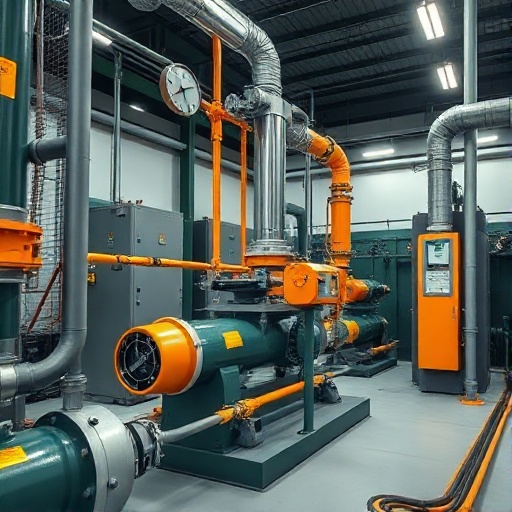
Modern hydro testing equipment includes high-pressure pumps, digital gauges, and data loggers that record pressure every few seconds. Technicians select pumps capable of delivering precise flow rates for pipelines of varying diameters. Test manifolds connect multiple sections while isolation valves prevent cross-contamination. Hydrostatic testing companies maintain fleets of trailers that carry pumps, hoses, and filtration units to remote sites. Calibration certificates accompany every pressure instrument to ensure measurement accuracy. Portable power units allow testing in areas without grid electricity. These tools enable consistent results across construction sites and energy facilities alike.
Comparison of Hydrostatic vs. Pneumatic Testing
Hydrostatic testing uses liquid, which stores far less energy than compressed gas, making it the safer choice for most pipelines and vessels. Pneumatic testing with air or nitrogen suits applications where moisture cannot remain inside the system. However, pneumatic methods require additional safety barriers because any rupture releases stored energy rapidly. Hydrostatic pressure testing companies recommend liquid testing for buried pipelines and large storage tanks where failure consequences are severe. Pneumatic tests appear more often on small instrument lines or systems already designed for gas service. Both methods produce valid results when executed according to code requirements, yet hydrostatic remains the default for high-consequence oil and gas infrastructure.
Innovations in Mechanical Testing for Fluids
Recent advances combine acoustic sensors with traditional pressure monitoring to locate leaks faster during hydrostatic testing. Automated systems adjust pump output in real time to maintain target pressure despite temperature fluctuations. Some hydrostatic testing firms now deploy robotic crawlers inside pipelines to inspect welds while the test runs. These innovations shorten test duration and improve data quality for validation reports. Fluid filtration units remove particulates that could damage pumps or mask small leaks. Integration with cloud platforms allows remote engineers to review results instantly. Continued development focuses on reducing water consumption and accelerating turnaround times for energy sector clients.
Choosing the Right Hydrostatic Testing Company
Factors to Consider When Selecting a Hydrostatic Testing Firm
Project owners evaluate hydrostatic testing companies based on certifications, equipment condition, and documented safety records. Experience with specific pipeline diameters and pressure ranges matters when schedules are tight. A hydrostatic pressure test company should supply technicians trained in both construction and energy environments. Insurance coverage and indemnity clauses protect owners from liability during testing. Clear reporting formats that integrate with client asset management systems simplify compliance. References from recent oil and gas projects reveal how the firm handles unexpected findings. Price alone rarely determines the best partner when safety and schedule reliability carry higher weight.
Top Hydrostatic Testing Companies in the Market
Leading hydrostatic testing companies maintain national coverage with regional crews that respond quickly to construction and energy demands. These firms invest in modern pumps and digital recording systems that produce audit-ready data. Several specialize in large-diameter pipelines while others focus on chemical plant vessels. Clients searching for hydrostatic pressure testing companies often compare turnaround times and post-test support services. Top performers publish case studies that detail successful validation of complex systems. Many also offer combined services such as cleaning, drying, and nitrogen purging after the test. Reputation within the oil and gas industry serves as the strongest indicator of consistent performance.
Evaluating Hydrostatic Testing Expertise and Validation Methods
Thorough evaluation includes reviewing technician qualifications and the company’s history of regulatory compliance. Hydrostatic testing expert companies demonstrate proficiency through third-party audits and participation in industry standards committees. Validation methods should include calibrated instruments, witnessed tests when required, and detailed reports that withstand regulatory scrutiny. Owners verify that the firm follows ASME and API guidelines for each project. Site visits during active tests reveal operational discipline and equipment maintenance standards. Long-term partnerships with hydrostatic testing companies often yield better pricing and priority scheduling for repeat work in the energy sector.
Future Trends in Hydrostatic Testing
The Role of Hydrostatic Testing in Aerospace
Aerospace manufacturers apply hydrostatic testing to fuel tanks, hydraulic lines, and pressure vessels that operate in extreme environments. The method verifies that components withstand launch and flight loads without leaking fluids critical to vehicle performance. Hydrostatic testing companies with aerospace experience use deionized water and precise temperature control to protect sensitive materials. Test data feeds into certification packages submitted to aviation authorities. As commercial spaceflight expands, demand grows for rapid, high-pressure validation of new vehicle designs. The same principles used in oil pipelines now support lighter composite structures in aircraft and spacecraft.
Emerging Technologies in Fluid Testing
Digital twins and machine learning now predict leak locations before hydrostatic pressure testing begins, reducing unnecessary excavations. Wireless sensors transmit real-time pressure and strain data from inside pipelines to control rooms. Some hydrostatic testing firms experiment with environmentally friendly test fluids that require less treatment after use. These technologies shorten project cycles while improving detection sensitivity for small defects. Integration with drone inspections allows rapid external assessment of above-ground sections before pressurization. Continued investment in automation positions the industry to handle larger volumes of pipeline and energy infrastructure testing efficiently.
Sustainability and Safety in Hydro Testing Practices
Modern hydrostatic testing practices emphasize water recycling and responsible disposal to minimize environmental impact. Companies capture and filter test liquid for reuse on subsequent projects whenever possible. Safety enhancements include remote operation of pumps and automated shutdown sequences triggered by pressure anomalies. Training programs focus on hazard recognition specific to chemical and gas facilities. Hydrostatic testing companies that adopt these sustainable methods gain preference from energy operators committed to lower carbon footprints. The combination of improved safety records and reduced resource consumption supports long-term viability of critical infrastructure testing across construction and energy sectors.
See Also
- How Hydrostatic Testing Companies Ensure Safety in Pipeline Management
- Top Hydrostatic Testing Companies Leading the Charge in Fluid Validation
- Hydrostatic Testing Companies and Their Essential Role in Infrastructure Reliability
- Why Hydrostatic Testing is Crucial for Aerospace and Vehicle Safety
- Understanding Hydrostatic Pressure Testing and Its Impact on Mechanical Integrity