Electric Motor Repair for Beginners Key Concepts and Terminology
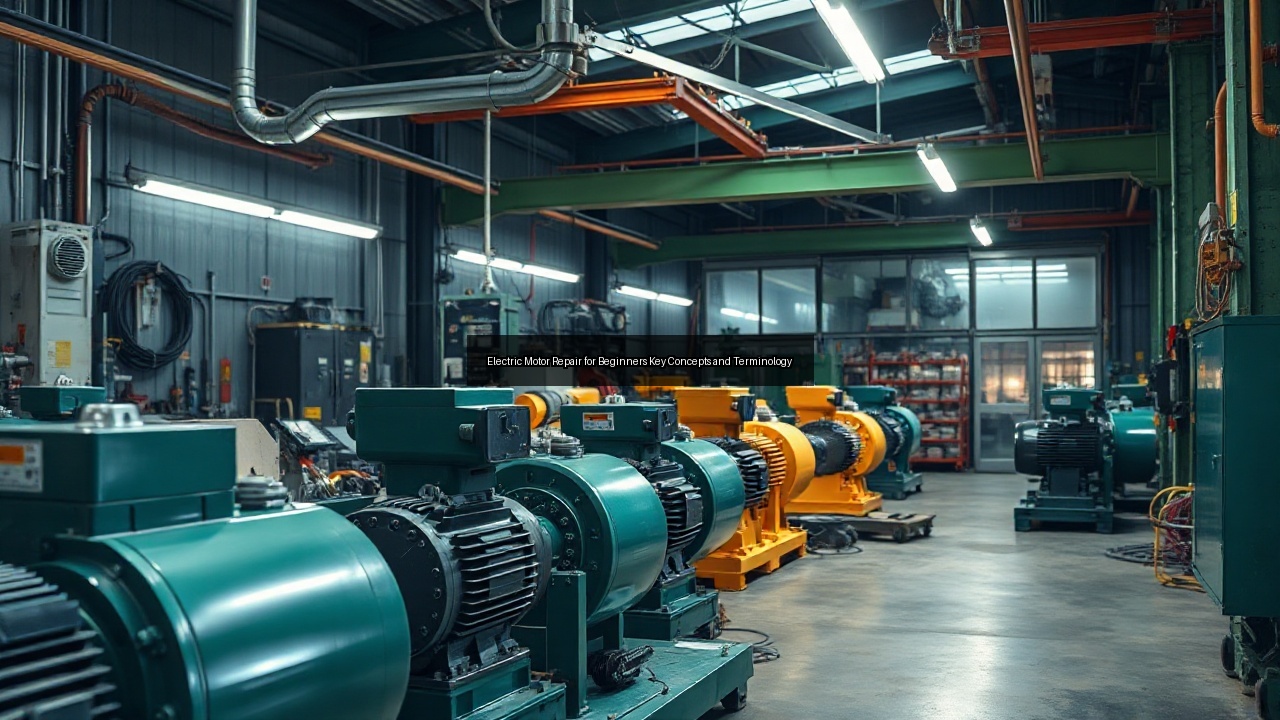
Understanding Electric Motors and Their Components
Types of Electric Motors
Electric motors come in various types, each designed for specific applications. The most common types include AC (Alternating Current) motors and DC (Direct Current) motors. AC motors are widely used in industrial applications due to their simplicity and efficiency. Within the AC category, you'll find synchronous and asynchronous motors. Synchronous motors operate at a constant speed, while asynchronous motors, or induction motors, run at varying speeds depending on the load. On the other hand, DC motors are favored for their ability to provide high starting torque and speed control, making them ideal for applications like electric vehicles and robotics.
Key Components of Electric Motors
Understanding the components of electric motors is crucial for effective electric motor repair. Key parts include the stator, rotor, bearings, and commutator. The stator, the stationary part of the motor, generates a magnetic field when electricity flows through its windings. The rotor, which sits inside the stator, rotates and converts electrical energy into mechanical energy. Bearings support the rotor, ensuring smooth operation and minimal friction. Additionally, the commutator, found in DC motors, reverses the current direction, allowing the rotor to spin continuously. Familiarity with these components aids in troubleshooting and repair processes, enhancing overall motor reliability.
Common Applications of Electric Motors
Electric motors play a pivotal role in various sectors, including manufacturing, automotive, and household appliances. In manufacturing, electric motors drive conveyor belts, pumps, and robotic arms, contributing to automation and efficiency. In the automotive industry, electric motors power electric vehicles and hybrid systems, significantly transforming transportation. Household appliances such as refrigerators, washing machines, and air conditioners rely on electric motors for functionality and convenience. Understanding these applications helps in identifying potential issues and determining the best repair strategies for malfunctioning motors.
Fundamentals of Electric Motor Repair
Troubleshooting Electric Motors
Troubleshooting electric motors requires a systematic approach to identify the root cause of issues. Start by examining the power supply; ensure that the motor receives the correct voltage and current. Look for signs of wear or damage, such as burnt windings or broken connections. Utilize tools like multimeters to check for continuity and measure resistance. Common problems include overheating, unusual noises, and failure to start. Each of these symptoms may indicate specific issues, such as mechanical binding, electrical imbalances, or faulty components. Accurate troubleshooting leads to effective repairs, minimizing downtime and enhancing the motor's reliability.
Understanding Gear Mechanisms
Many electric motors operate in conjunction with gear mechanisms to deliver the required torque and speed for specific applications. Gears help to increase torque while reducing speed, essential for applications that demand high power at low speeds. Understanding gear ratios and configurations is vital for effective electric motor repair. If a motor drives a gear mechanism, issues like misalignment or wear in the gears can lead to performance failures. Regular inspection and maintenance of gear systems ensure smooth operation and prolong the life of both the motor and the machinery it powers.
Vibration Analysis in Motor Maintenance
Vibration analysis serves as a critical tool in electric motor maintenance, helping to identify potential issues before they lead to failure. By monitoring vibration patterns, technicians can detect misalignments, unbalance, and bearing wear. Abnormal vibrations often indicate underlying problems that require immediate attention. Implementing regular vibration analysis as part of preventative maintenance practices enhances the electric motor troubleshooting reliability of electric motors, reducing unexpected downtime and repair costs. A well-maintained motor exhibits consistent vibration signatures, while deviations signal the need for further investigation or repairs.
Preventative Maintenance and Reliability
Routine Maintenance Practices
Implementing routine maintenance practices ensures the longevity and reliability of electric motors. Regularly scheduled inspections should include checking for loose connections, lubricating bearings, and cleaning dust and debris from motor housings. Inspecting electrical components for signs of wear or corrosion is equally important, as these can lead to performance degradation or failure. Establishing a maintenance log helps track service activities and schedule future inspections. By adhering to preventative maintenance protocols, operators can address small issues before they escalate, ultimately enhancing the motor's operational lifespan and reducing repair frequency.
The Role of Switchgear in Maintenance
Switchgear plays a vital role in electric motor maintenance by providing the means to control and protect electrical circuits. It allows for safe disconnection of motors from the power supply during maintenance tasks. Properly functioning switchgear prevents overloads and short circuits, protecting motors from potential damage. Technicians should regularly inspect and test switchgear components, such as circuit breakers and fuses, to ensure they operate correctly. Incorporating switchgear maintenance into overall electric motor repair practices enhances the reliability of the entire system, safeguarding against costly failures.
Automation in Motor Service and Repair
Automation is revolutionizing motor service and repair processes, improving efficiency and accuracy. Advanced diagnostic tools and software streamline troubleshooting, allowing technicians to identify issues with precision. Automated maintenance schedules can alert operators when inspections or repairs are due, ensuring timely interventions. Additionally, predictive maintenance technologies use data analytics to forecast potential failures, enabling proactive measures. Embracing automation in electric motor repair not only enhances reliability but also reduces labor costs and downtime, ultimately optimizing operational performance in various industries.
Finding Electric Motor Repair Services
Choosing a Motor Repair Shop
Selecting the right motor repair shop is crucial for effective electric motor repair and maintenance. Look for shops with a strong reputation and experienced technicians who specialize in electric motor services. Certifications and industry affiliations often indicate a shop's commitment to quality. Ask about their diagnostic capabilities and the range of services offered, from basic repairs to complete overhauls. Customer reviews provide valuable insights into the level of service and satisfaction. A reliable motor repair shop not only fixes problems but also offers preventative maintenance solutions to enhance motor longevity.
What to Expect from Repair Services
When seeking electric motor repair services, expect a thorough evaluation of your motor's condition. Technicians will perform diagnostics to identify issues and provide detailed estimates for repair costs. Depending on the problem's nature, repairs may involve replacing damaged components, rewinding coils, or addressing mechanical issues. Quality repair services guarantee the use of original or high-quality replacement parts. After repairs are completed, technicians should conduct tests to ensure the motor operates efficiently and reliably. Clear communication throughout the process enhances the customer experience and builds trust in the repair service.
Restoration vs. Replacement of Electric Motors
Deciding between electric motor restoration and replacement hinges on several factors, including cost, age, and condition. Restoration often proves more economical for older motors with sentimental value or when components are still available. It involves repairing and refurbishing existing parts to extend the motor's life. However, if a motor frequently fails or requires extensive repairs, replacement may be the more viable option. New electric motors often come with improved efficiency and technology, providing long-term savings. Assessing the cost-benefit ratio of restoration versus replacement helps make informed decisions that align with operational needs and budget constraints.