A Comprehensive Guide to Duct Systems and Their Fabrication
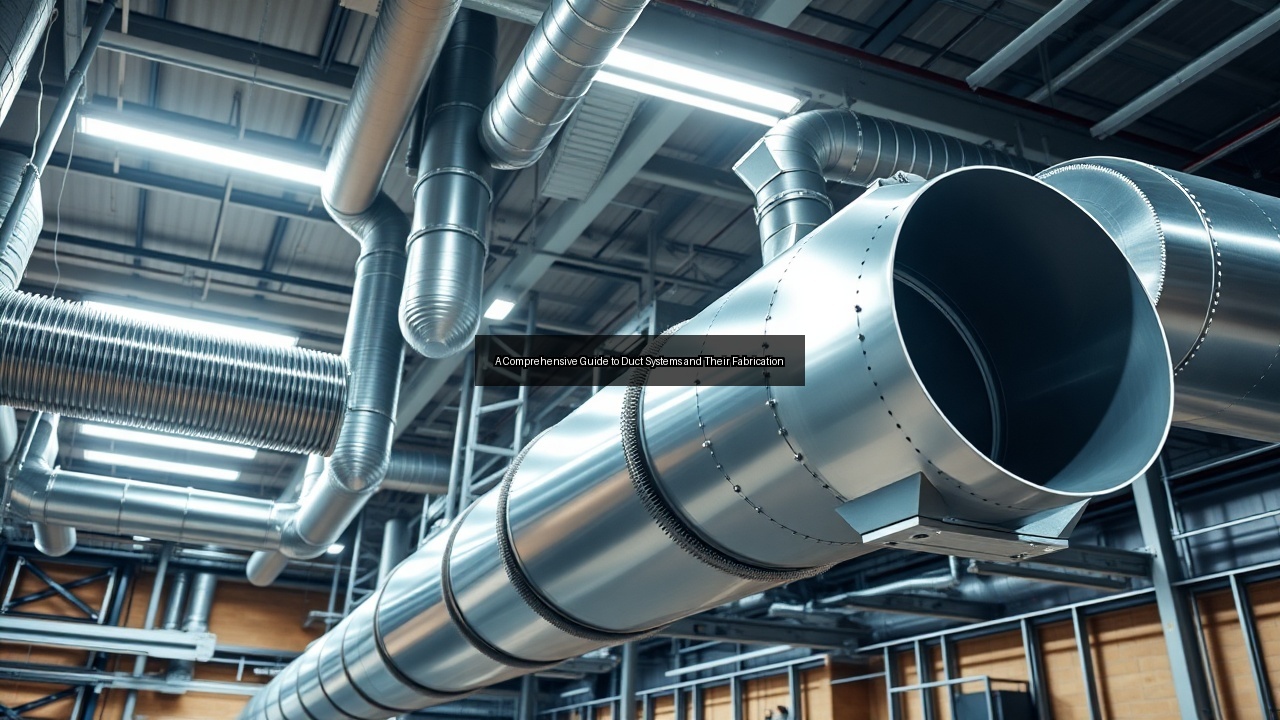
Understanding Duct Systems and Their Importance
What Are Ductworks and Duct Systems?
Ductworks, often referred to as duct systems, are a network of conduits designed to transport air throughout a building. These systems play a crucial role in ensuring that heated or cooled air reaches every corner of a space, contributing to the overall comfort of its occupants. Ducts can vary in size, shape, and material, and they can be found in residential homes, commercial buildings, and industrial facilities. Efficient duct systems help maintain consistent temperatures and improve air quality by facilitating proper airflow and circulation. Understanding the intricacies of ductworks is essential for optimizing HVAC performance and energy efficiency.
The Role of HVAC in Airflow Management
Heating, Ventilation, and Air Conditioning (HVAC) systems rely heavily on ductwork to manage airflow effectively. An HVAC system works by heating or cooling air and then distributing it through duct systems to maintain desired temperatures. Properly designed and installed ducts ensure efficient operation, allowing for balanced airflow and temperature regulation. When air flows efficiently through the ducts, it minimizes energy waste and promotes comfort. Conversely, poorly designed duct systems can lead to hot or cold spots, increased energy consumption, and reduced indoor air quality. Understanding the relationship between HVAC systems and ductwork is vital for any successful climate control strategy.
Types of Ducts: Sheet Metal vs. Flexible Ducts
When it comes to ductwork fabrication, two primary types dominate the market: sheet metal ducts and flexible ducts. Sheet metal ducts are typically made from galvanized steel or aluminum. They offer durability and efficiency, making them suitable for both residential and commercial applications. These ducts maintain their shape and provide a smooth surface for airflow, reducing resistance and improving efficiency. On the other hand, flexible ducts are constructed from a combination of plastic and insulation, allowing for easier installation in tight spaces. While flexible ducts are often more affordable and easier to work with, they may not offer the same level of durability as their sheet metal counterparts. Understanding these differences helps in selecting the right ducts for specific applications.
The Ductwork Fabrication Process
Materials Used in Duct Fabrication
The choice of materials in ductwork fabrication significantly impacts the performance and durability of the duct systems. Common materials include galvanized steel, aluminum, fiberglass, and flexible plastic. Galvanized steel is popular for its strength and resistance to corrosion, making it ideal for long-lasting applications. Aluminum, being lightweight and resistant to rust, is often chosen for residential duct systems. Fiberglass ducts, known for their thermal insulation properties, help maintain temperature while reducing noise. Flexible plastic ducts offer ease of installation in tight spaces but may require careful handling to avoid damage. Selecting the appropriate materials during the fabrication process ensures optimal airflow and energy efficiency in HVAC systems.
Step-by-Step Fabrication Process
The ductwork fabrication process involves several key steps to create high-quality duct systems tailored to specific needs. Initially, designers assess the requirements of the HVAC system, including airflow needs and space constraints. Next, they create detailed blueprints that guide the fabrication process. Once designs are finalized, manufacturers cut the selected materials into required shapes and sizes. This includes forming sheet metal into rectangular or round ducts, or cutting flexible materials to length. After cutting, the pieces undergo assembly, which involves sealing joints and securing connections to ensure airtightness. Finally, quality control checks ensure that the fabricated ducts meet industry standards before installation. This meticulous fabrication process ensures that HVAC systems operate efficiently and effectively.
Essential Tools for Duct Manufacturing
Successful ductwork fabrication relies on a range of specialized tools that streamline the manufacturing process. Essential tools include metal shears for cutting sheet metal, seamers for joining pieces, and duct benders for shaping ducts into the required configurations. Additionally, measuring tools such as tape measures and laser levels ensure precision in cutting and installation. A duct calculator also plays a vital role, helping manufacturers determine the correct lengths and sizes needed for optimal airflow. Other tools, like welding equipment and sealant applicators, are used to secure seams and joints, ensuring that the final product is airtight. Together, these tools facilitate efficient duct fabrication, leading to effective HVAC systems.
Selecting the Right Ductwork for Your HVAC System
Factors to Consider When Choosing Ducts
Selecting the right ductwork for your HVAC system involves several critical factors. First, consider the type of HVAC system in use. Different systems may require varying duct configurations to optimize performance. Assess the space where the ductwork will be installed, as limited space may necessitate the use of flexible ducts. Additionally, take into account the airflow requirements; ducts must be sized correctly to handle the volume of air your HVAC system produces. Material choice also influences durability and efficiency; for instance, heavy-duty sheet metal may be preferred for commercial applications, while flexible ducts are often suitable for residential setups. Evaluating these factors ensures that the selected duct system meets performance and efficiency standards.
Using a Duct Length Calculator for Precision
A duct length calculator is an invaluable tool for achieving precision in ductwork fabrication and installation. This calculator takes into account various factors, including the volume of air that needs to be moved, the type of duct material, and the configuration of the space. Using such a tool helps determine the optimal lengths and sizes of ducts to ensure balanced airflow throughout the system. Accurate calculations prevent issues such as air leaks, noise, and inefficiencies caused by improperly sized ducts. By using a duct length calculator, HVAC professionals can create tailored solutions that promote energy efficiency and enhance indoor comfort.
Common Ductwork Fabrication Services Available
Maintaining and Upgrading Your Duct Systems
Signs Your Ducts Need Repair or Replacement
Recognizing signs that your duct systems require repair or replacement is crucial for maintaining HVAC efficiency. Common indicators include uneven heating or cooling throughout your space, which may signal blockages or leaks in the ducts. Increased energy bills can also hint at airflow issues, as the HVAC system works harder to compensate for lost efficiency. Additionally, if you notice unusual noises coming from the ducts, such as rattling or whistling, these sounds may indicate loose connections or debris buildup. Regular inspections can help identify these issues early, allowing for timely repairs that prevent more significant problems down the line.
Benefits of Regular Duct Maintenance
Regular duct maintenance offers numerous benefits, ensuring that your HVAC systems operate efficiently and effectively. One primary advantage is improved indoor air quality; clean ducts reduce the accumulation of dust, allergens, and pollutants that may circulate in your home or office. Routine maintenance also enhances energy efficiency by eliminating blockages that restrict airflow, leading to lower energy costs. Moreover, maintaining ducts can extend their lifespan, reducing the need for costly repairs or replacements. Regular inspections and cleanings provide peace of mind, knowing that your HVAC systems are functioning optimally and providing a comfortable environment.
Innovations in Ductwork Fabrication and Design
Innovation in ductwork fabrication and design continues to shape the HVAC industry, leading to more efficient systems. Advances in technology allow for the development of smart duct systems that adapt airflow based on real-time conditions, enhancing energy efficiency and comfort. Additionally, the introduction of eco-friendly materials in duct fabrication supports sustainability efforts, reducing the environmental impact of HVAC systems. Modern design techniques also prioritize aesthetics, enabling duct systems to blend seamlessly with interior spaces without compromising performance. Staying abreast of these innovations ensures that homeowners and businesses can make informed decisions about their ductwork, leading to improved comfort and efficiency.